Source IP67 Plastic Liquid Level Sensor for Tanks, Pumps, and Sumps
Compare 30 verified options for the ip67 plastic liquid level sensor designed for industrial tanks, water pumps, and drainage sumps. Buyers can evaluate specifications like voltage, output signals, and protection ratings to find suitable suppliers; compare the available evidence and request quotations based on your requirements.
Key considerations
Products List


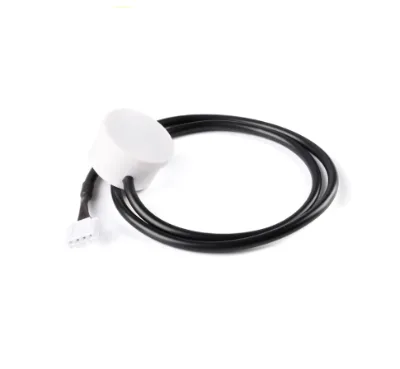


Comprehensive Sourcing Guide
IP67 Plastic Liquid Level Sensor Sourcing Guide
Selecting the right IP67 plastic liquid level sensor requires a careful balance of environmental resilience, material compatibility, and electrical integration. These devices are engineered to operate reliably in submerged or splash-prone conditions, making them critical for applications ranging from industrial tanks to consumer appliances. The IP67 rating ensures that the sensor housing provides complete protection against dust ingress and can withstand temporary immersion in water, typically up to one meter for thirty minutes. This level of protection is essential for maintaining signal integrity and preventing short circuits in harsh operating environments where moisture exposure is frequent or unavoidable.
When sourcing these components, buyers must prioritize the specific plastic materials used in the housing, such as ABS or polycarbonate, which offer varying degrees of chemical resistance and mechanical durability. The choice between contact and non-contact types further dictates the installation method and long-term maintenance requirements. Non-contact sensors, often utilizing ultrasonic or radar technology, eliminate direct fluid interaction, reducing wear and contamination risks. Conversely, contact sensors may offer higher precision for specific liquid densities but require careful material selection to prevent degradation from aggressive chemicals or prolonged exposure to UV light in outdoor settings.
Product Scope and Observed Listing Signals
The current market landscape for IP67 plastic liquid level sensors reveals a diverse range of product models, including specific identifiers like MD-L100, MD-L500, and PST-040, which indicate varying capacities and design configurations. Listings frequently highlight customization options, allowing buyers to tailor sensor dimensions, cable lengths, and output signals to fit unique enclosure designs or system architectures. The presence of features such as corrosion resistance and injection-molded integrated designs suggests a focus on manufacturing efficiency and robust physical construction, which are vital for mass production and consistent quality across large procurement orders.
Observed listing signals also point to a wide price range, reflecting differences in sensor technology, accuracy, and additional features like low-water-level delay alarms or power-on indication times. Buyers should note that while some products offer switching type outputs for simple on/off control, others provide analog signals for continuous monitoring and precise level tracking. The availability of both two-wire and four-wire wiring types further expands the integration possibilities, enabling compatibility with various PLCs and microcontrollers. Understanding these listing nuances helps in filtering suppliers based on specific technical requirements rather than general product descriptions.
Technical Specifications to Verify
Verifying the electrical specifications is paramount to ensuring seamless integration with existing control systems. Key parameters to confirm include the operating voltage range, which typically spans from 12V to 30V DC, and the output signal type, whether it is a switching signal for discrete control or an analog signal like 4-20mA for continuous monitoring. Additionally, the ambient temperature range must be checked to ensure the sensor can function reliably in the intended environment, with many models supporting temperatures from -40°C to +85°C. This thermal resilience is crucial for applications involving rapid temperature fluctuations or exposure to heat sources.
Mechanical and environmental specifications also require close scrutiny, particularly the IP rating and material composition. While IP67 is a common standard, some advanced models may offer IP68 ratings for deeper immersion capabilities. The sensor’s structural design, such as an injection-molded integrated body, contributes to its durability and leak resistance. Buyers should also verify the medium temperature range, as plastic housings may have lower thermal limits compared to metal alternatives. Confirming these details prevents premature failure and ensures the sensor can withstand the specific physical and chemical stresses of the application site.
Compliance and Safety Documentation
Compliance with international standards is a non-negotiable aspect of sourcing electronic components, particularly those used in industrial or safety-critical applications. Buyers should request documentation confirming adherence to CE marking requirements, which indicates conformity with health, safety, and environmental protection standards for products sold within the European Economic Area. Additionally, RoHS compliance is essential to ensure that the sensor is manufactured without hazardous substances, such as lead, mercury, or cadmium, which are restricted in electronic equipment. These certifications not only facilitate market access but also demonstrate the supplier’s commitment to responsible manufacturing practices.
Beyond regulatory compliance, quality management systems play a significant role in ensuring consistent product quality. Suppliers with ISO9001 certification have demonstrated their ability to maintain rigorous quality control processes throughout production. Buyers should verify that the supplier provides test reports or certificates of conformity for each batch, particularly for critical parameters like insulation resistance and dielectric strength. Requesting these documents during the qualification phase helps mitigate risks associated with non-compliant products and ensures that the sensors meet the necessary safety and performance benchmarks for the intended deployment.
Cost Drivers and Commercial Terms
Understanding the factors that influence pricing is essential for effective budget management and supplier negotiation. The primary cost drivers for IP67 plastic liquid level sensors include the complexity of the internal circuitry, the quality of the plastic materials used, and the level of customization required. Sensors with higher accuracy, wider temperature ranges, or specialized output signals typically command higher prices due to the additional engineering and testing involved. Furthermore, the volume of the order significantly impacts the unit cost, with larger quantities often benefiting from economies of scale and reduced per-unit pricing.
Commercial terms, including minimum order quantities (MOQ) and lead times, also play a crucial role in the procurement process. Buyers should clarify the MOQ requirements with suppliers, as these can vary widely depending on the product model and production capacity. Additionally, lead times must be considered to ensure timely delivery, especially for projects with strict deadlines. It is advisable to negotiate flexible terms for custom orders, as these may require longer production cycles. Clear communication regarding payment terms, shipping responsibilities, and warranty policies helps establish a transparent and mutually beneficial commercial relationship.
Supplier Qualification and Quality Control
Evaluating supplier qualifications is a critical step in mitigating supply chain risks and ensuring product reliability. Buyers should assess the supplier’s manufacturing capabilities, including their production processes and quality control measures. Suppliers with advanced production facilities, such as those utilizing injection molding and automated testing equipment, are more likely to deliver consistent and high-quality products. Additionally, verifying the supplier’s experience in the sensor industry and their track record with similar products can provide insights into their technical expertise and operational stability.
Quality control procedures should be rigorously reviewed to ensure that every sensor meets the specified performance criteria. Buyers should inquire about the supplier’s testing protocols, including environmental stress screening, electrical performance testing, and IP rating verification. Requesting samples for independent testing is a prudent step to validate the supplier’s claims and ensure compatibility with the intended application. Establishing a clear quality agreement that defines acceptable defect rates and remediation procedures helps maintain high standards and protects the buyer from receiving substandard products.
Long-Term Procurement Checks
Establishing long-term procurement checks is essential for maintaining supply chain resilience and product performance over time. Regular audits of supplier quality systems and production processes help identify potential issues before they impact delivery or product reliability. Buyers should also monitor changes in raw material costs and market conditions that may affect pricing and availability. Maintaining open communication with suppliers regarding product updates, technological advancements, and regulatory changes ensures that the procurement strategy remains aligned with current industry standards and best practices.
Continuous performance monitoring of the installed sensors is equally important for identifying any degradation or failure trends. Collecting data on sensor accuracy, response time, and environmental resistance can provide valuable insights into the long-term viability of the chosen products. Buyers should establish a feedback loop with the supplier to address any field issues promptly and implement corrective actions. By proactively managing these aspects, organizations can ensure the sustained reliability and efficiency of their liquid level monitoring systems, minimizing downtime and operational costs.
FAQs
What is the IP rating for the plastic liquid level sensor?
The sensor features an IP67 rating for protection against temporary immersion in water. This rating ensures reliable operation in wet environments while maintaining structural integrity for industrial applications requiring durable waterproofing standards.
Can the sensor be customized for specific requirements?
Yes, customization is available to meet unique operational needs. Buyers can request tailored specifications to ensure the device fits their specific system architecture and environmental constraints without compromising performance or safety standards.
What is the operating voltage range for this device?
The device operates within a voltage range of 12 to 30 volts DC. This flexible power supply allows compatibility with various industrial control systems and ensures stable performance across different electrical supply conditions.
Which certification does the product hold for safety compliance?
The product holds CE and RoHS certifications for safety and environmental compliance. These standards verify that the sensor meets rigorous international requirements for electrical safety and restriction of hazardous substances in electronic equipment.
How is the sensor installed in the system?
Installation is performed using a non-contact method for ease of integration. This design prevents direct fluid contact with sensitive components, reducing maintenance needs and extending the operational lifespan of the sensor in liquid applications.
What is the accuracy level of the pressure measurement?
The sensor provides an accuracy of 0.5% of full scale for precise measurements. This high level of precision ensures reliable data output for critical monitoring tasks where small deviations could impact overall system efficiency.
Where is the product manufactured and shipped from?
The product originates from Shanghai, China, ensuring consistent manufacturing quality. This location supports efficient logistics and supply chain management for international buyers seeking reliable sourcing options for industrial automation components.